From Church Jumbles to 'Immersive Heritage Experiences': Britain's War on Calling Things What They Are
The Death of Plain Speaking
Something extraordinary has happened to Britain. A nation once famous for calling a spade a spade has developed an allergic reaction to straightforward language. We've become a country where you can't buy a soggy scotch egg without someone describing it as a 'heritage protein experience' or queue for the tombola without being invited to 'engage with our randomised prize allocation system.'
This isn't just marketing madness—it's a full-scale linguistic coup. Parish councils across Britain are locked in an arms race of aspirational vocabulary, each trying to out-rebrand the other until the very concept of saying what you mean has been declared a hate crime against progress.
The Great Vocabulary Inflation
Take the humble village fête. For centuries, it was perfectly adequate to call it exactly that—a fête. People understood what they were getting: wonky stalls, warm beer, and the genuine possibility of food poisoning from the burger van. Now? It's a 'community cultural celebration' featuring 'artisanal food vendors' and 'interactive heritage experiences.'
The Women's Institute cake stall—once a place where Mrs Pemberton sold Victoria sponges that tasted like cardboard—has been rebranded as a 'boutique confectionery pop-up.' The car boot sale is now a 'curated vintage marketplace.' Even the church jumble sale, that sacred British institution where you could buy someone's old curtains for 50p, has been transformed into an 'immersive pre-loved retail experience.'
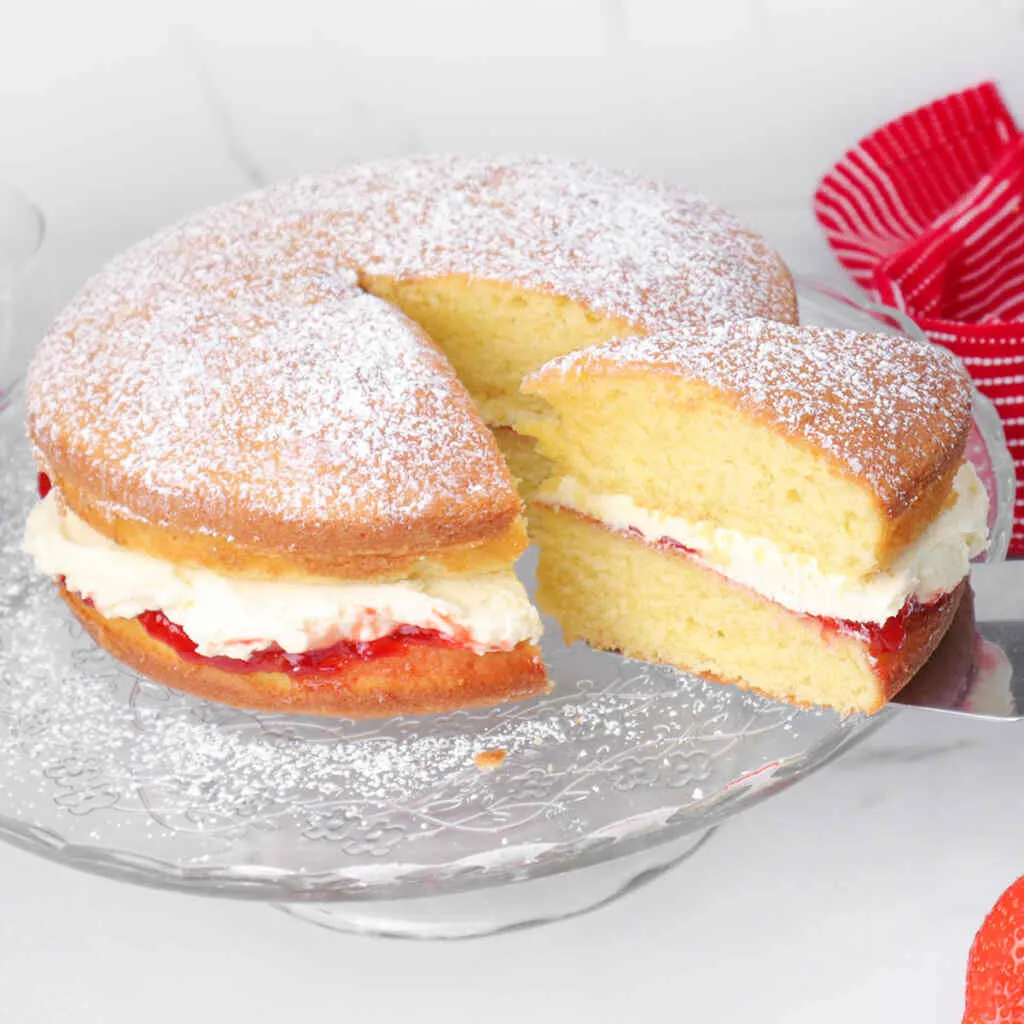 Photo: Victoria sponge, via lovefoodfeed.com
The Council Speak Epidemic
Local councils have become the primary vectors of this linguistic plague. What was once 'picking up litter' is now a 'Community Environmental Engagement Initiative.' The village green isn't a patch of grass anymore—it's a 'multi-use outdoor community space for wellness and social cohesion.'
One particularly ambitious parish council in the Cotswolds recently rebranded their annual duck race as a 'Sustainable Waterfowl Velocity Challenge.' The ducks, presumably, remain unaware of their upgraded status as 'eco-friendly racing ambassadors.'
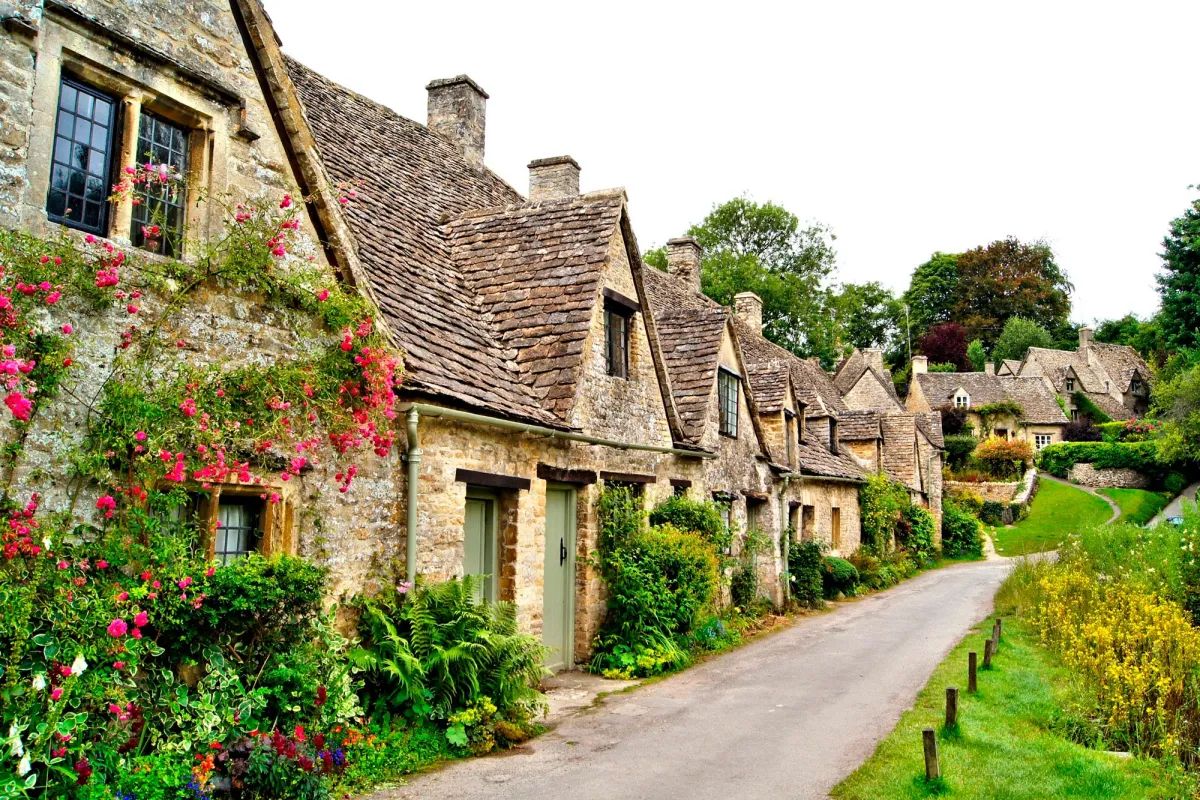 Photo: the Cotswolds, via www.premiercottages.co.uk
The transformation is so complete that councils now employ 'Community Engagement Facilitators' whose entire job is translating normal activities into management-speak. These linguistic alchemists can turn a pothole into a 'temporary surface irregularity' and a broken streetlight into an 'opportunity for enhanced community stargazing experiences.'
The Sophistication Delusion
What's driving this compulsive rebranding? It's Britain's deeply uncomfortable relationship with being ordinary. We're a nation that invented queuing as an art form, perfected the art of complaining about the weather, and elevated the awkward pause to a cultural institution. But somewhere along the way, we decided that being straightforward wasn't sophisticated enough.
Every village now wants to be 'vibrant.' Every high street aspires to be a 'cultural quarter.' Even the most determinedly unglamorous towns have discovered they possess 'hidden gems' and 'unique character'—usually defined as having a café that serves flat whites and a shop selling overpriced candles.
The rebrand has become Britain's true national pastime, surpassing even moaning about the buses. We've become a country where calling something by its actual name is seen as a failure of imagination, where the mundane must be dressed up in aspirational language until it collapses under the weight of its own pretensions.
The Authenticity Paradox
The irony is palpable. In our desperate attempt to make everything sound more sophisticated, we've made it all sound utterly ridiculous. The local farmer's market—once a place where farmers sold vegetables—is now a 'artisanal produce experience' where 'passionate growers' offer 'field-to-fork narratives' alongside their slightly wonky carrots.
This linguistic arms race has created a parallel universe where nothing is what it appears to be. The scout hut becomes a 'community learning space.' The village pub transforms into a 'heritage hospitality venue.' Even the bus stop has been elevated to 'public transport interface point'—though the buses still don't turn up on time.
The Human Cost
Perhaps most tragic of all is what this rebrand culture has done to the people who actually have to deliver these 'experiences.' The poor volunteer running the tombola—sorry, 'randomised prize allocation system'—now has to maintain the fiction that they're facilitating a 'community engagement opportunity' rather than simply trying to raise fifty quid for new church roof tiles.
The car boot sale organiser can no longer admit they're just trying to shift a load of old tat. They must present themselves as the curator of a 'vintage lifestyle marketplace,' bringing together 'pre-loved treasures' and 'discerning collectors'—even though half the stalls are selling broken vacuum cleaners and VHS copies of Titanic.
Resistance is Futile
The rebrand epidemic has reached such proportions that resistance seems futile. Even the most determinedly down-to-earth communities have succumbed. The annual village scarecrow competition is now a 'community art installation project.' The local football team's pie and pint night has become a 'supporter engagement and culinary experience evening.'
We've created a Britain where calling a spade a spade marks you out as hopelessly unsophisticated, where the ability to transform the mundane into the magnificent through sheer linguistic alchemy has become the ultimate social skill. It's a country where everyone's a curator, every event is immersive, and every experience is artisanal—except, of course, for the experiences themselves, which remain exactly as soggy, overpriced, and disappointing as they always were.
The village fête may have been rebranded as a 'community cultural celebration,' but the scotch egg is still soggy, the beer is still warm, and Mrs Pemberton's Victoria sponge still tastes like cardboard. Some things, thankfully, remain authentically, reassuringly, British.