Day One: Innocent Optimism
It started innocently enough. I'd joined FitLife Plus (not their real name, though their lawyers are probably still reading this) during that brief window in January when I genuinely believed I was going to become the sort of person who enjoys burpees. By March, reality had reasserted itself, and I decided to cancel.
How hard could it be? I had a contract, they had my money, I wanted to stop giving them my money. This seemed like a straightforward transaction between consenting adults.
Reader, I was adorably naive.
The Paper Trail Begins
Step one, according to their website, was to provide "30 days written notice via recorded delivery to our membership department." Not an email. Not a phone call. A physical letter, posted to an address in what appeared to be an industrial estate in Slough, as if my gym membership was some sort of Victorian legal document requiring parchment and a wax seal.
I dutifully wrote my letter – "Dear FitLife Plus, I would like to cancel my membership effective [date]. Yours sincerely, A Person Who Has Realised They Don't Actually Enjoy Exercise" – and trudged to the Post Office.
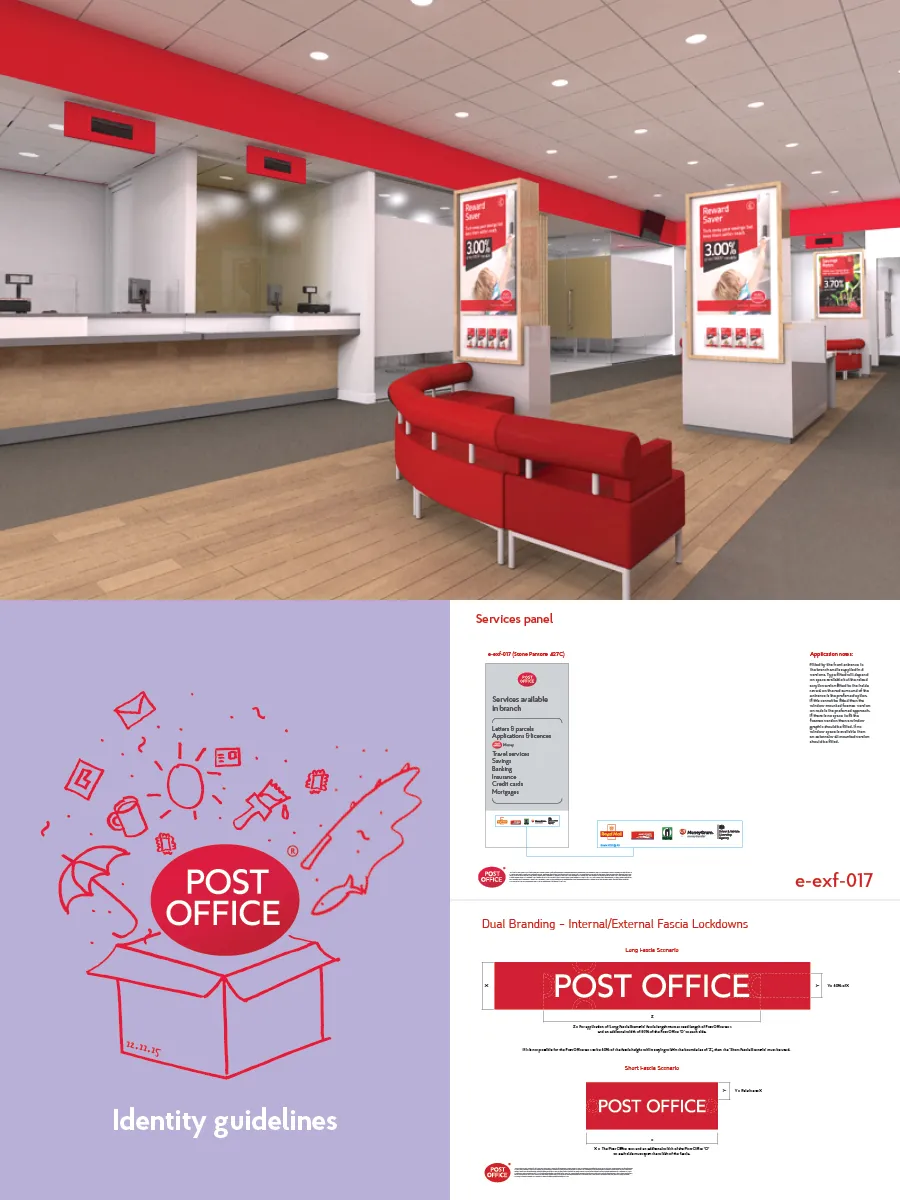 Photo: Post Office, via www.cavecreative.com
"Recorded delivery to Slough?" asked the postal worker, eyeing me with the sympathy usually reserved for terminal patients. "Gym cancellation?"
Apparently, this happens a lot.
Enter Brad, Retention Specialist
Two weeks later, my phone rang. "Hi, this is Brad from FitLife Plus Member Retention. I understand you're thinking about leaving us?"
Brad had the kind of aggressively cheerful voice that suggested he'd either had too much coffee or was being held at gunpoint by motivational posters. He was calling, he explained, to "explore options that might address your fitness journey concerns."
"I don't have fitness journey concerns," I said. "I just don't want to go to the gym anymore."
"But why?" Brad asked, as if I'd just announced my intention to stop breathing. "Is it the equipment? The atmosphere? The changing room facilities?"
"No, Brad. It's because I've discovered that I fundamentally dislike exercise and would rather spend my evenings doing literally anything else."
Silence. Then: "What if I told you we could put your membership on hold for three months? No charges, and you can come back when you're ready to recommit to your wellness goals?"
The Wellness Goals Interrogation
Brad was persistent, I'll give him that. He asked about my "wellness goals" with the intensity of a detective investigating a particularly complex murder. Had I considered personal training? What about our new yoga classes? Had I heard about our nutrition counselling service?
"Brad," I said, "I once ate a Greggs sausage roll for breakfast while walking past your gym. I don't think nutrition counselling is going to bridge that particular gap."
"Everyone's fitness journey is different," Brad replied, apparently immune to reason. "What if we could offer you a 20% discount for the next six months?"
This went on for twenty-three minutes. I know because I was timing it, fascinated by Brad's ability to find new ways to ask the same question: wouldn't I prefer to keep paying them money?
The Phantom Address
Week three brought a letter from FitLife Plus, sent to confirm receipt of my cancellation request. Except they hadn't received it. The letter had been returned to sender because, according to Royal Mail, the address didn't exist.
I checked the website. Same address. I called the gym directly.
"Oh, that address," said the receptionist. "Yeah, we don't really use that anymore. You need to send it to our new address in Milton Keynes."
 Photo: Milton Keynes, via www.miltonkeynes.co.uk
"Why is the old address still on your website?"
"I don't know. IT stuff, innit?"
Round Two: The Milton Keynes Gambit
Back to the Post Office I went, like some sort of fitness-themed Sisyphus. The same postal worker shook his head sympathetically. "Milton Keynes this time? They're really making you work for it, aren't they?"
This letter was successfully delivered, according to the tracking. Three days later, Brad called again.
"Hi, it's Brad from Member Retention. I see you've submitted another cancellation request, but I notice you haven't been using your membership much lately. Are you sure cancelling is the right choice?"
"Brad, I sent a cancellation letter a month ago."
"Right, but this is a fresh opportunity to reconsider. What if I told you about our new 24/7 access programme?"
The Direct Debit Revelation
Week five brought an unexpected twist: my direct debit had been cancelled. Success! Except it hadn't been cancelled by FitLife Plus – it had been cancelled by my bank, who'd noticed I'd been trying to cancel a gym membership for over a month and took pity on me.
"You can't do that," said Brad when I called to gloat. "You're still liable for payments until your membership is properly cancelled according to our terms and conditions."
"But I sent the letter. Twice."
"Yes, but you haven't completed the exit interview process."
The Exit Interview Trap
The exit interview, it transpired, was a mandatory phone conversation with Brad where I would explain my reasons for leaving and listen to counterarguments about why I should stay. This was apparently buried in clause 47.2.1 of my membership agreement, nestled between the bit about towel etiquette and the section on cardiovascular liability waivers.
"This is insane," I told Brad. "I just want to stop going to a gym I never actually went to in the first place."
"I understand your frustration," Brad said, "but this is about ensuring our members make informed decisions about their wellness journey. Now, on a scale of one to ten, how would you rate your overall FitLife Plus experience?"
The Final Bill
Two months after my original cancellation attempt, I received a final bill. For services rendered during a period when I demonstrably hadn't set foot in the gym, couldn't access the gym (my card had been deactivated), and had been trying to cancel my membership since before the period in question began.
The bill included a "membership processing fee," a "facilities maintenance charge," and something called an "amenity access surcharge" that I'm convinced they made up on the spot.
Victory, Sort Of
I eventually escaped FitLife Plus through the simple expedient of moving house and changing banks. Not because I had to, but because it seemed easier than continuing to engage with their retention department.
Six months later, I received a letter asking if I'd like to rejoin. "We miss you," it said. "Your wellness journey doesn't have to end here."
I threw it away immediately, but not before noting that it was addressed to my new house. Somehow, Brad's department had tracked me down like some sort of fitness-themed bounty hunter.
The Bigger Picture
My experience with FitLife Plus isn't unique. British gyms have turned membership cancellation into an art form – a carefully choreographed dance designed to test your resolve and exhaust your patience. They've weaponised bureaucracy in ways that would make Kafka weep.
But it's not just gyms. Mobile phone contracts, insurance policies, subscription services – they've all adopted variations of the same strategy. Make it easy to sign up, impossible to leave, and hope that most people will eventually give up trying.
It's a business model based on the fundamental British trait of not wanting to cause a fuss. They're counting on us being too polite to fight back, too embarrassed to escalate, and too tired to persevere.
The Real Workout
In the end, trying to cancel my gym membership was the most exercise I got all year. I walked to the Post Office multiple times, developed finger strength from dialling customer service numbers, and built impressive stamina through repeated conversations with Brad.
Perhaps that was their plan all along – a meta-fitness programme where the real workout is trying to escape their retention department. If so, it's the most effective exercise regime they've ever designed.
I'm now a member of a different gym – one that promises easy cancellation by email. I haven't tested this claim yet, but I'm keeping Brad's number, just in case I need to practice my assertiveness training.