The Great Vocabulary Heist
Somewhere between the third lockdown and the cost of living crisis, Britain's struggling retail sector discovered something remarkable: you can't fix a business model with a thesaurus, but by God, you can make it sound more important while it collapses.
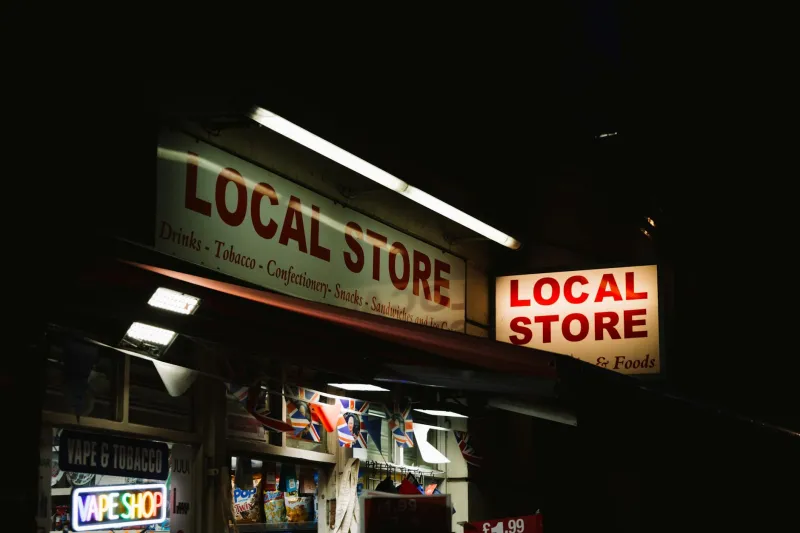
Walk down any British high street today and you'll witness a linguistic transformation so profound it would make George Orwell weep into his tea. That newsagent that's been haemorrhaging customers since 2019? It's now a "Community Information Hub." The charity shop with three broken mannequins and a persistent smell of mothballs? "Pre-Loved Fashion Curation Studio." The empty unit that's been vacant since Woolworths died? "Pop-Up Activation Space Available for Creative Partnerships."
The Artisan Industrial Complex
The word "artisan" has become the linguistic equivalent of fairy dust, sprinkled liberally over anything that costs more than it should. We've moved beyond artisan bread and coffee into truly uncharted territory. I recently spotted an "Artisan Phone Repair Experience" in Kettering – a bloke called Dave with a screwdriver and a dream, apparently.
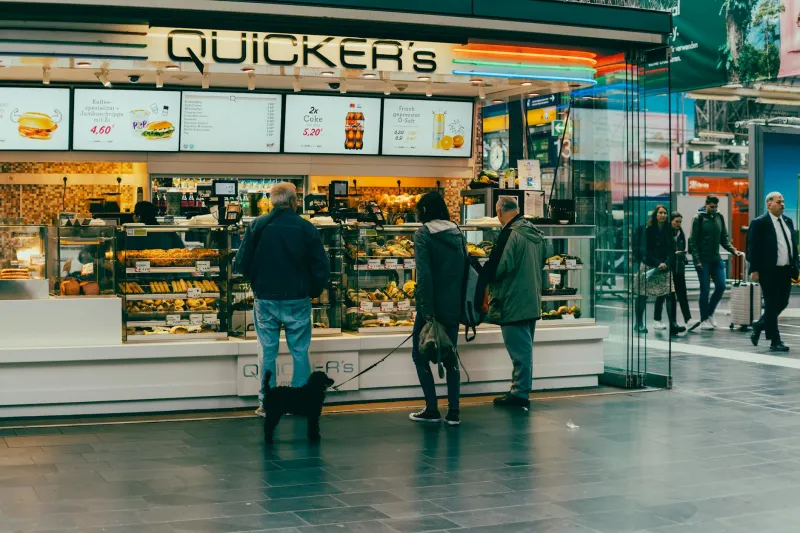
But it's the "experience" suffix that's doing the real heavy lifting. Everything is an experience now. Buying a sandwich isn't lunch; it's a "Curated Nutrition Experience." Getting your hair cut isn't grooming; it's a "Personal Brand Transformation Journey." Even the bookmakers have got in on the act – Paddy Power down the road has rebranded as a "Probability Entertainment Destination."
Council-Approved Creativity
Local councils, never ones to miss a trend, have embraced this linguistic revolution with the enthusiasm of a town planning committee discovering Comic Sans. They've started issuing grants for "Community Activation Initiatives" and "Heritage Experience Pathways" – which, translated from council-speak, means putting a bench somewhere and hoping for the best.
Birmingham City Council recently announced a £2.3 million investment in "Retail Ecosystem Revitalisation." When pressed for details, they explained this involved painting some shop fronts and installing WiFi that works roughly 30% of the time. The press release described it as "creating synergistic touchpoints between traditional commerce and contemporary consumer engagement paradigms."
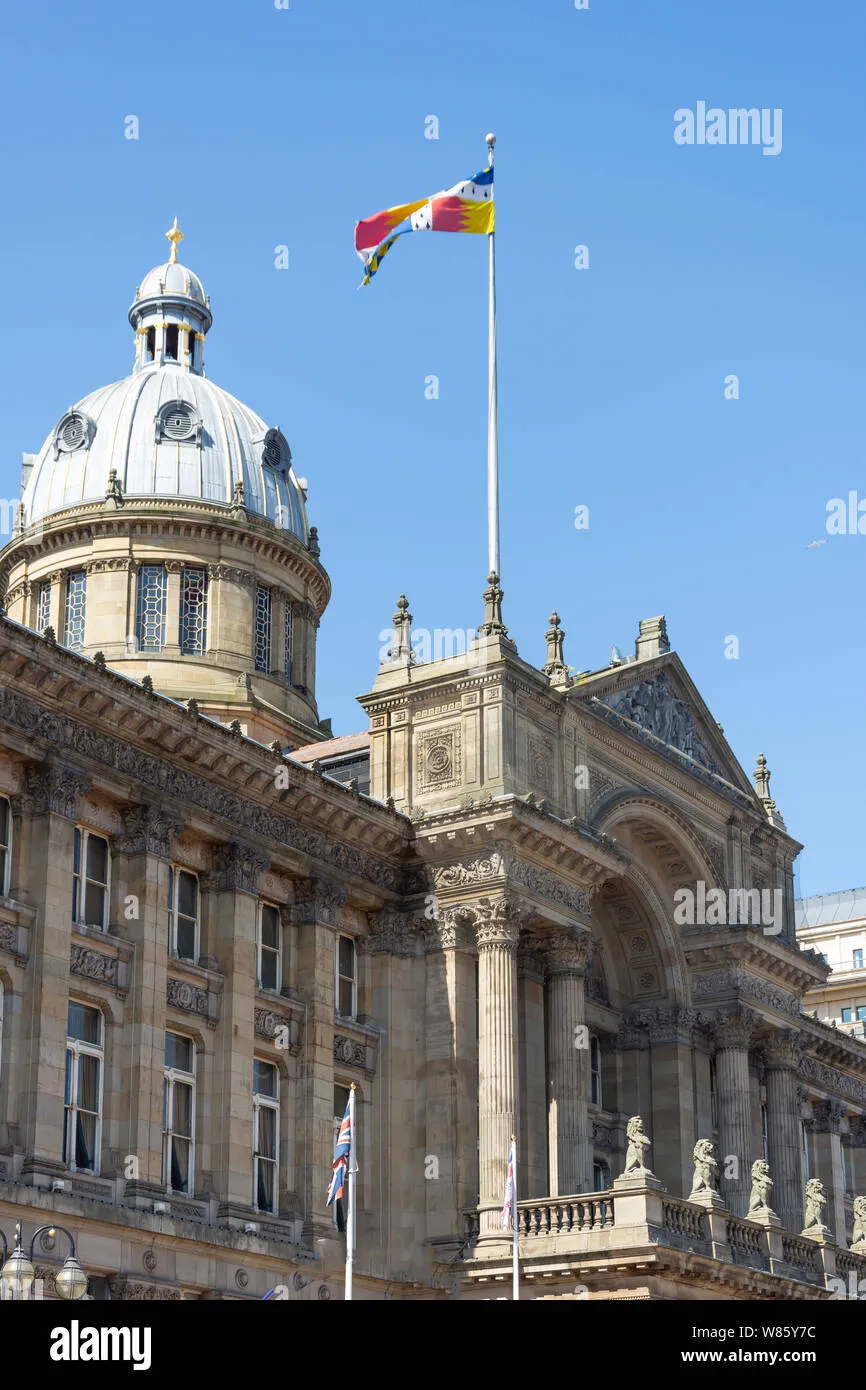 Photo: Birmingham City Council, via c8.alamy.com
In other words: some shops got a lick of paint.
The Innovation Theatre
Perhaps nowhere is this more evident than in the rise of "Innovation Hubs" – a term so meaninglessly broad it could describe anything from a university research facility to a bloke with a laptop in a converted shipping container. Every former department store that's been carved up into smaller units now bills itself as fostering "disruptive collaboration" and "cross-pollination of creative energies."
I visited one such hub in Manchester, housed in what was once a Debenhams. The "Innovation Manager" – a 23-year-old called Tarquin wearing £300 trainers – explained how they were "democratising entrepreneurship through accessible co-working solutions." This turned out to mean renting desk space for £40 a day to freelancers who couldn't afford proper offices.
The Pop-Up Phenomenon
The "pop-up" has become retail's equivalent of a gap year – a way to make temporary failure sound intentional and exciting. Every empty shop window now sports signs promising "Pop-Up Coming Soon!" as if the temporary nature of whatever's arriving is somehow a selling point.
These aren't the charming temporary markets of old. These are "Immersive Brand Activations" and "Limited-Time Consumer Engagement Experiences." Translation: someone's trying to shift stock they couldn't sell anywhere else, but they've made it sound like a privilege to be there.
The Glossary of Desperation
For those struggling to decode modern retail-speak, here's a handy translation guide:
- "Curated Selection" = We've got about six things left
- "Artisan Crafted" = Made by someone with a name, possibly
- "Limited Edition Experience" = We're closing next month
- "Community-Focused Initiative" = Nobody's buying anything
- "Sustainable Lifestyle Destination" = We're too broke to redecorate
- "Pop-Up Activation" = Please, anyone, rent this space
The Human Cost
Behind all this linguistic gymnastics are real people trying to save real businesses in an economy that's forgotten how to support them. The tragedy isn't that a butcher's shop calls itself a "Locally-Sourced Protein Experience Centre" – it's that they feel they have to.
We've created a culture where honest commerce isn't enough anymore. Everything must be experiential, artisanal, curated, or activated. God forbid someone should just sell things people want at prices they can afford.
The Emperor's New Shops
The uncomfortable truth is that no amount of rebranding can fix the fundamental problems facing British retail: rising rents, online competition, and customers who increasingly have less money to spend. But admitting that would require confronting some difficult realities about how we've structured our economy.
So instead, we get "Retail Transformation Initiatives" and "High Street Revitalisation Programmes" – expensive ways of saying "we're painting the deck chairs on the Titanic, but we're calling them 'Maritime Furniture Optimisation Solutions' now."
Perhaps it's time we stopped trying to rebrand our way out of every problem and started asking why perfectly good shops need to become "experiences" just to survive. But then again, that would require an honest conversation about the state of British retail – and we can't very well call that an "Authentic Dialogue Experience," can we?