Your Views Matter (Terms and Conditions Apply): Inside Britain's Consultation Theatre

Act I: The Glossy Announcement
It arrives with the fanfare of a royal proclamation: a full-colour brochure through your letterbox announcing that Middleton District Council wants YOUR input on the proposed redevelopment of the town centre. The cover features stock photography of diverse, attractive people pointing enthusiastically at architectural drawings, as if urban planning consultations are typically attended by models who've just discovered the joy of mixed-use developments.
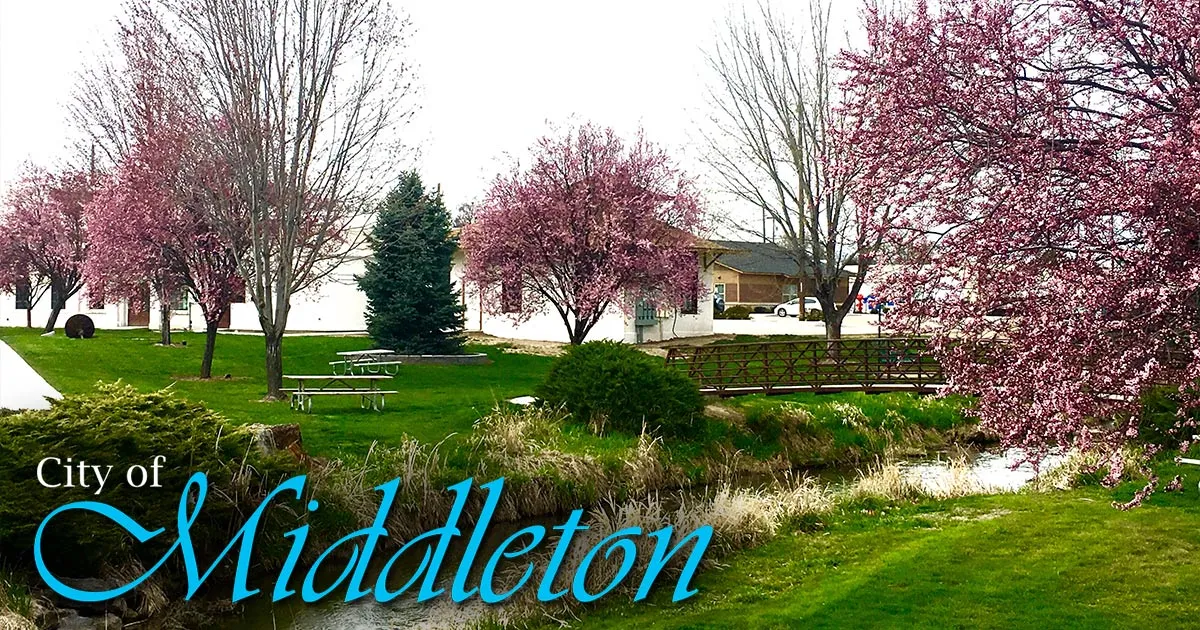 Photo: Middleton District Council, via middleton.id.gov
"Your voice matters," declares the headline, in a font that suggests both authority and approachability. "Help shape the future of our community."
What the brochure doesn't mention is that the planning committee approved the basic framework six months ago, the contractors have already been selected, and the only thing left to determine is whether the new Tesco Metro goes in Unit 3 or Unit 4.
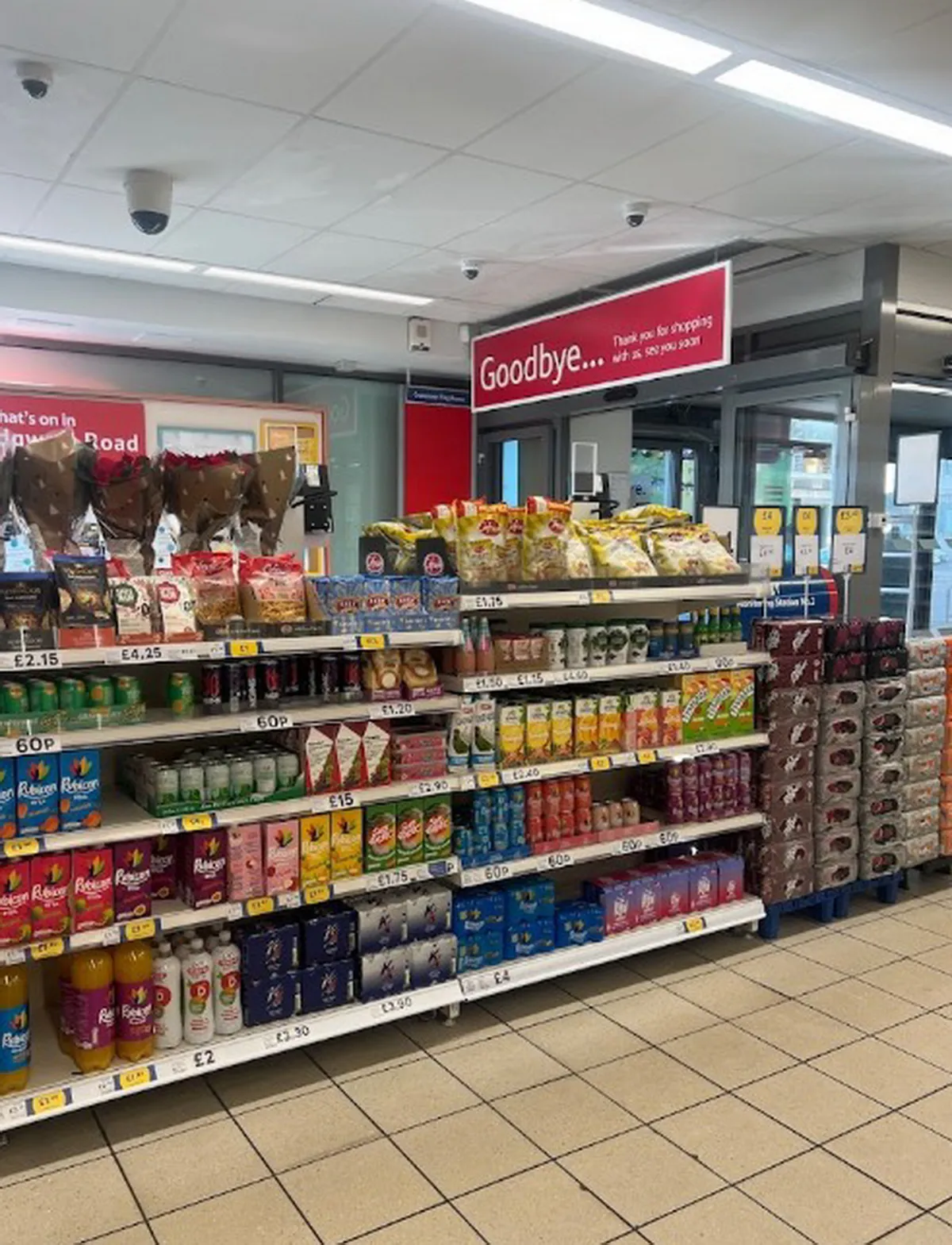 Photo: Tesco Metro, via photos.wikimapia.org
The Professional Consultation Class
Britain has developed an entire industry around the art of asking questions while remaining constitutionally deaf to the answers. Consultation specialists—a job title that would have baffled previous generations—earn comfortable livings facilitating 'meaningful dialogue' between institutions and the people those institutions have already decided to ignore.
These professionals speak a distinct dialect: 'stakeholder engagement,' 'community input,' and 'robust feedback mechanisms.' They can spend forty-five minutes explaining why your suggestion to preserve the old library building is 'outside the scope of this particular consultation phase,' while maintaining the sort of sympathetic expression usually reserved for funeral directors.
The Consultation Roadshow
The public meetings follow a script more rigid than amateur dramatics. Council representatives arrive with PowerPoint presentations featuring phrases like 'exciting opportunities' and 'challenging fiscal environment.' The slide deck invariably includes at least one graph showing declining footfall, rising maintenance costs, or the urgent need for 'modernisation'—the bureaucratic equivalent of 'because we said so.'
Resident contributions are welcomed with the enthusiasm of a Victorian headmaster receiving suggestions about curriculum reform. Each objection is noted down with theatrical diligence by someone whose primary qualification appears to be the ability to write 'concerns raised about parking' in seventeen different ways.
The Art of Selective Hearing
British consultation responses follow a pattern so predictable it could be algorithmic. Ninety-three percent of residents oppose the proposed changes. The remaining seven percent includes three people who misunderstood the question, two who thought they were responding to a different consultation entirely, and one who wrote 'FINE WHATEVER' in block capitals across every page.
The final report will describe this as 'a range of views were received, with some concerns expressed alongside recognition of the challenges facing the local authority in the current economic climate.'
Translation: 'We heard you. We're ignoring you. Here's why that's your fault.'
The Response Summary Masterpiece
The consultation response document is a work of bureaucratic art, transforming overwhelming opposition into qualified support through the magic of creative interpretation. 'Many respondents expressed attachment to existing facilities' becomes evidence of 'community nostalgia that, while understandable, cannot override the practical necessities of modern service delivery.'
Objections to the loss of green space are reframed as 'requests for enhanced environmental features,' which will be addressed through 'sustainable design principles'—meaning they'll plant a few shrubs around the car park and call it biodiversity enhancement.
The Digital Consultation Revolution
Online consultations promised to democratise the process, giving everyone equal access to meaningless participation. Instead, they've created new opportunities for creative non-listening. Digital platforms can now efficiently collect thousands of responses before filing them under 'stakeholder input received and noted.'
The online surveys are masterpieces of leading questions: 'Given the urgent need for fiscal responsibility and modern service delivery, which of these pre-approved options do you prefer?' Option C, 'Keep everything exactly as it is,' mysteriously never appears on the list.
The Predetermined Outcome
The consultation timeline reveals the game. Phase One: Announce consultation. Phase Two: Collect responses. Phase Three: Analyse feedback. Phase Four: Implement original plan with minor cosmetic adjustments.
The 'minor adjustments' are crucial for maintaining the illusion of responsive governance. The new community centre will now include a small memorial plaque acknowledging the old one, or the controversial road closure will be delayed by six months to demonstrate 'careful consideration of community concerns.'
The Professional Consulters
A dedicated class of professional consultees has emerged—residents who attend every public meeting, submit detailed responses to every survey, and maintain comprehensive files of consultation documents dating back to the 1990s. They speak fluent planning-ese and can spot a predetermined outcome from three parishes away.
Councils treat these super-consulters with the wary respect accorded to people who've learned the rules of a rigged game. Their contributions are acknowledged more thoroughly, their objections addressed in greater detail, and their ultimate defeat is accomplished with more elaborate explanations.
The Consultation Fatigue Syndrome
After decades of ritualistic consultation, communities have developed a sort of democratic exhaustion. Attendance at public meetings dwindles not from apathy but from learned helplessness. Why spend an evening in a draughty community hall when the outcome was decided in a closed session months earlier?
This declining participation is then cited as evidence of community acceptance: 'Limited attendance at consultation events suggests broad satisfaction with the proposals.'
The International Standards
British consultation theatre has achieved such sophistication that it's now exported globally. International development agencies pay British consultants to teach foreign governments how to solemnly collect public input while maintaining complete control over outcomes.
The irony is lost on no one except the people paying the invoices.
The Consultation Paradox
The strangest aspect of Britain's consultation culture is that everyone involved knows it's theatre, yet the performance continues with undiminished enthusiasm. Councils genuinely believe they're engaging meaningfully with communities. Residents participate despite knowing their input will be ignored. Consultants facilitate processes they know are predetermined.
It's democracy as performance art, where the act of asking questions has become more important than listening to answers. We've created a system where being heard matters less than being seen to be heard, where process has become more sacred than outcome.
And perhaps that's the most British thing of all: maintaining elaborate rituals long after we've forgotten why we started them, because abandoning them now would be admitting they were pointless all along.